Coastal Bees and Mangroves: A Vital Partnership
Coastal Bees and Mangroves: A Vital Partnership
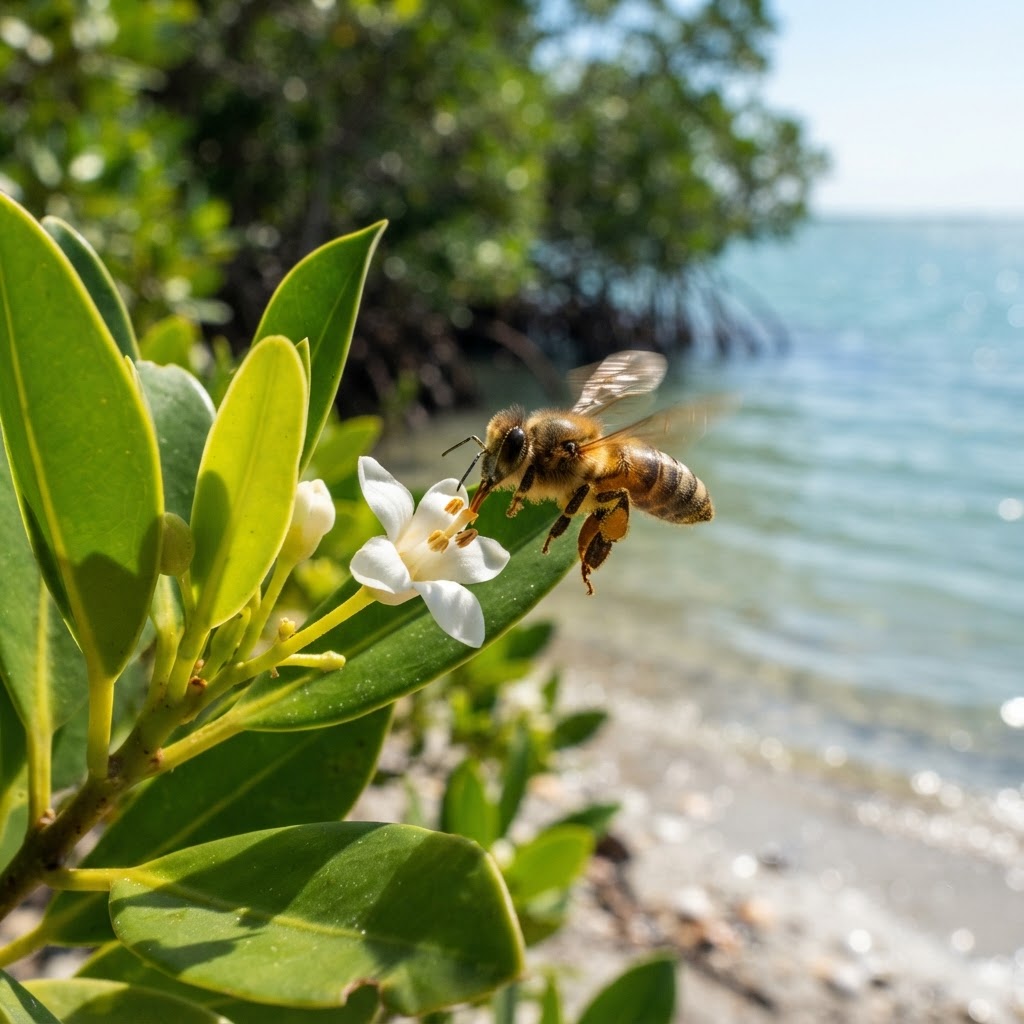
Along the Gulf Coast of Florida, a remarkable partnership plays out every summer. Black Mangrove trees burst into bloom, their small white flowers offering nectar to any pollinator willing to brave the heat and humidity. And honeybees — including our rescued colonies at Tom's Coastal Honeybees — respond in force, turning that nectar into one of the rarest and most distinctive honeys in the world.
This partnership between bees and mangroves isn't just about honey. It's about the health of Florida's coastal ecosystems, the protection of our shorelines, and the preservation of a fragile environment that sustains both wildlife and human communities.
The Black Mangrove: A Coastal Guardian
Black Mangroves (Avicennia germinans) are one of three mangrove species native to Florida. They grow along the state's southern coasts, where they serve as nature's coastal defense system:
Shoreline Protection
Mangrove root systems trap sediment and stabilize shorelines, reducing erosion from waves and storms. During hurricanes, mangrove forests act as natural breakwaters, absorbing storm surge and protecting inland communities.
Habitat
Mangrove forests are nurseries for fish, crabs, shrimp, and countless other marine species. They provide nesting sites for birds and shelter for juvenile fish that later populate reefs and open waters.
Carbon Storage
Mangroves are among the most efficient carbon-storing ecosystems on Earth, sequestering carbon at rates up to 10 times higher than terrestrial forests. They're a critical tool in fighting climate change.
Water Filtration
Mangrove roots filter pollutants and excess nutrients from land-based runoff before they reach the Gulf, protecting water quality and preventing algae blooms.
The Bloom: A Coastal Feast
In Florida, Black Mangroves typically bloom from June through August. The trees produce small, fragrant white flowers that are rich in nectar — a crucial food source for bees during the hottest months of the year, when many other flowers have finished blooming.
The bloom doesn't happen all at once. Different mangrove stands bloom at slightly different times, providing an extended nectar flow that can last 6-8 weeks. For beekeepers, the mangrove bloom is the most important event of the year — it's when our bees make the honey that defines our apiary.
How Bees Pollinate Mangroves
While mangroves are partially wind-pollinated, honeybees significantly improve pollination success. When a bee visits a mangrove flower, she picks up pollen on her body and transfers it to the next flower she visits. This cross-pollination produces more viable seeds and healthier mangrove offspring.
The relationship is mutualistic: the mangrove provides nectar and pollen for the bees, and the bees provide pollination services that ensure the mangrove's reproductive success.
The Honey: Black Mangrove Gold
Black Mangrove honey is one of the rarest honey varieties in the United States. Black Mangroves grow only along the southern Atlantic and Gulf coasts, from Florida to Texas, and the bloom window is short. Most years, our bees have just 4-6 weeks to collect mangrove nectar.
The resulting honey is extraordinary:
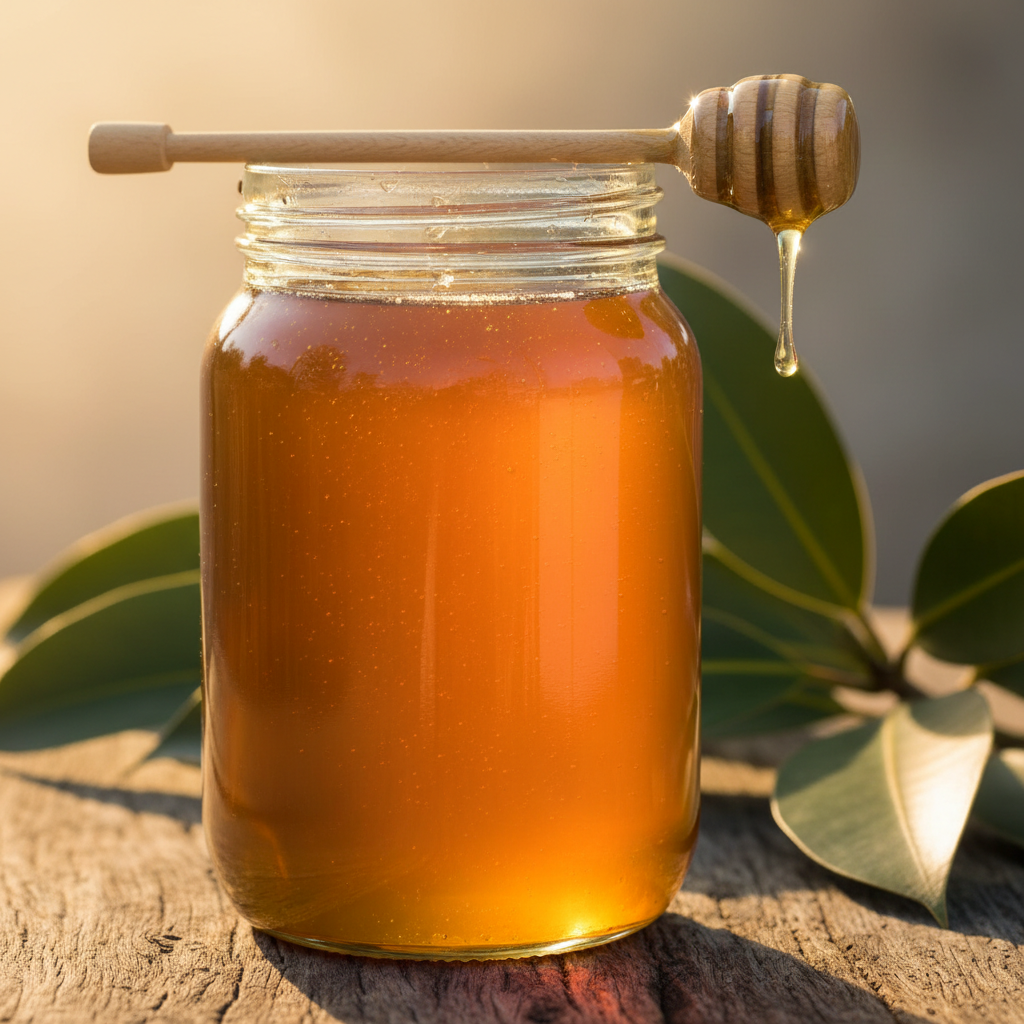
- Color: Light amber to golden, with a warm, translucent glow
- Flavor: Distinctive notes of caramel, vanilla, butterscotch, and flan
- Texture: Smooth and velvety, with a creamy crystallization
- Aroma: Warm, floral, with a subtle coastal sweetness
- Crystallization: Slow and smooth, forming a creamy, spreadable texture
The unique flavor profile comes from the specific sugars and compounds in mangrove nectar, which are influenced by the tree's salt-tolerant physiology. No other honey in the world tastes quite like it.
Learn how bees turn mangrove nectar into honey
Our Rescue Connection
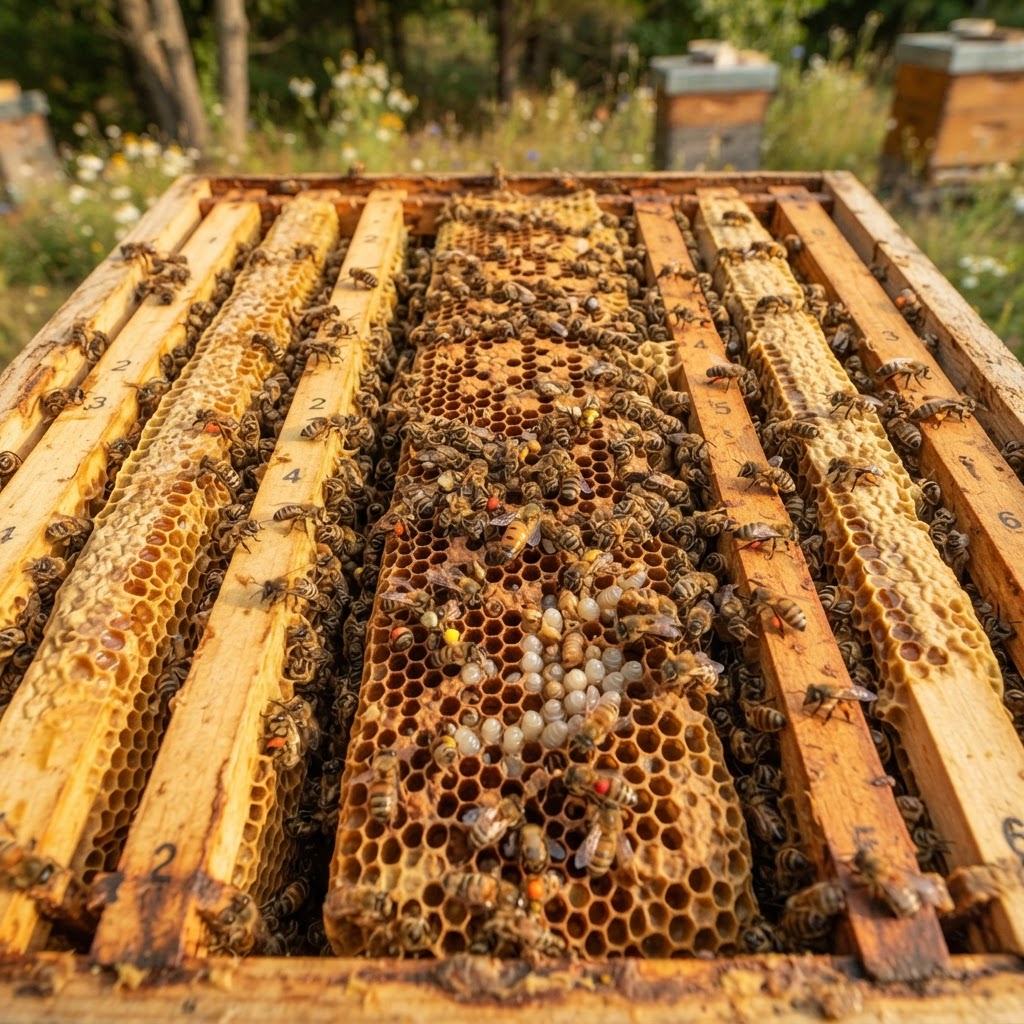
At Tom's Coastal Honeybees, every hive starts with a rescue. When someone in the Apollo Beach area finds a swarm of bees in their yard, garage, or home, we safely relocate the colony to our apiary. These rescued bees then forage among the local mangroves, producing honey while providing essential pollination services to the coastal ecosystem.
It's a beautiful cycle: we save the bees, the bees pollinate the mangroves, the mangroves protect our coastlines, and the coastlines sustain our community.
Threats to the Partnership
The bee-mangrove partnership faces several threats:
Mangrove Loss
Florida has lost significant mangrove habitat to coastal development. While mangroves are now protected by state law, illegal trimming and development pressure continue. Climate change also threatens mangroves — while they're expanding their range northward as temperatures warm, extreme cold events can kill entire stands.
Bee Decline
The same threats affecting bees nationwide — pesticides, habitat loss, parasites, climate change — affect our coastal bees. Read about why bees matter
Changing Bloom Patterns
Climate change is altering the timing of mangrove blooms, potentially creating mismatches between bloom times and bee foraging activity.
How You Can Help
Buy Local Honey
Every jar of our Black Mangrove honey supports our rescue operations and hive maintenance, ensuring our bees continue pollinating local mangroves. Shop our honey
Protect Mangroves
Support coastal conservation efforts and advocate for mangrove protection. Never trim or remove mangroves without proper permits.
Plant Native Flowers
Supplement mangrove nectar by planting native Florida flowers that bloom at different times, providing food for bees before and after the mangrove bloom.
Spread the Word
Share the story of coastal bees and mangroves. The more people understand this vital partnership, the more they'll work to protect it.
A Taste of the Coast
When you taste our raw, unfiltered Black Mangrove honey, you're tasting the Florida Gulf Coast itself — the salt-tinged air, the warm summer sun, the resilient mangrove forests, and the tireless work of thousands of rescued bees. It's more than honey. It's a partnership in every jar.
Related Articles
Taste the Difference
Every jar of our raw Black Mangrove honey is the result of 50,000 bees working together. Experience the taste of Apollo Beach's coastal ecosystem.
Shop Raw Honey