How Bees Make Honey: 55,000 Miles per Pound
How Bees Make Honey: 55,000 Miles per Pound
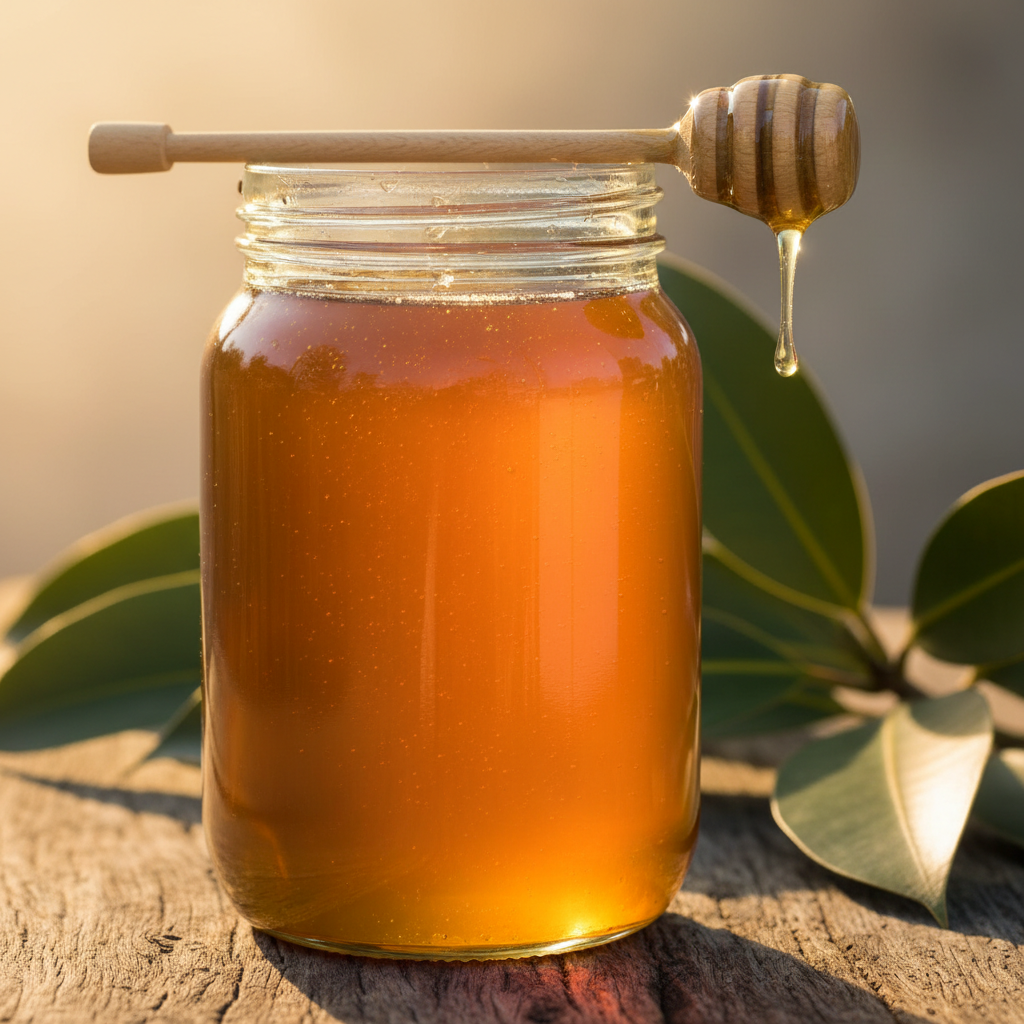
Every jar of raw Black Mangrove honey from Tom's Coastal Honeybees represents one of the most remarkable food production processes on Earth. It takes the collective effort of thousands of bees, tens of thousands of flower visits, and a complex chemical transformation to turn flower nectar into the golden honey you drizzle on your morning toast.
Understanding how bees make honey deepens the appreciation for every spoonful — and explains why raw, unfiltered honey is so special.
Step 1: Finding the Nectar
The honey-making process begins when a forager bee leaves the hive in search of nectar. She may fly up to five miles from home, using the sun, landmarks, and her extraordinary senses to find flowers. Learn how bees navigate
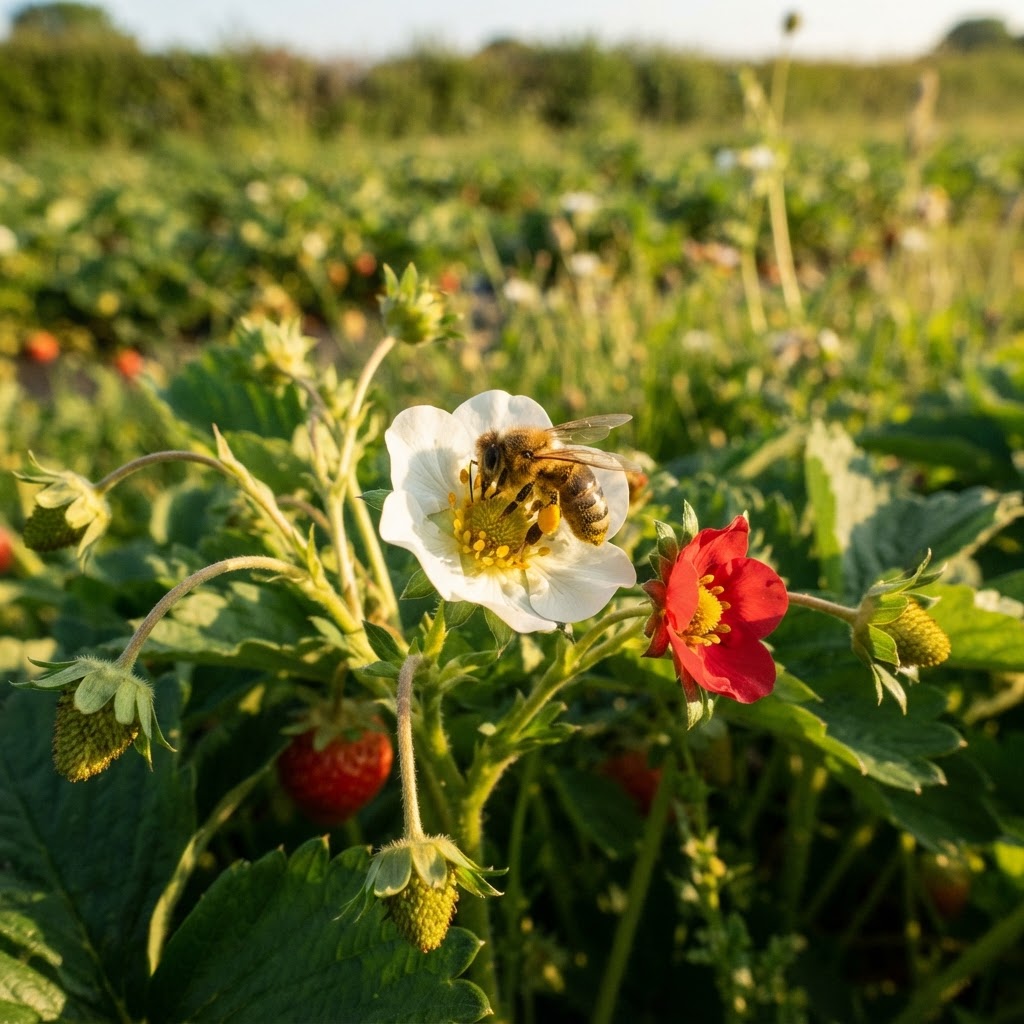
When she finds a rich nectar source — like a bloom of Black Mangroves along the Apollo Beach coast — she collects nectar using her long, tube-like tongue (proboscis), drawing the sugary liquid into her "honey stomach." This is a separate compartment from her digestive stomach, specifically designed for carrying nectar.
A single foraging trip may involve visits to 50-100 flowers. A bee may make up to 30 trips per day.
Step 2: The Return and the Dance
Back at the hive, the forager doesn't just drop off her nectar. If the source is particularly good, she performs the waggle dance to tell other foragers where to find it. Discover the waggle dance
Step 3: Passing the Nectar
The forager regurgitates the nectar from her honey stomach and passes it to a "receiver" or "house" bee — a younger worker who stays inside the hive. This bee processes the nectar through a remarkable sequence:
The Chemical Transformation
The nectar is moved back and forth between the bee's honey stomach and mouth multiple times. During this process, enzymes from the bee's salivary glands are mixed into the nectar. The most important enzyme is invertase, which breaks down sucrose (the main sugar in nectar) into glucose and fructose.
This enzymatic breakdown is what makes honey digestible for humans. The pre-digested sugars in honey are absorbed more slowly than refined sugar, providing sustained energy without the sugar crash.
Moisture Reduction
Fresh nectar is about 80% water — far too wet to store. Bees need to reduce the moisture content to below 18% to prevent fermentation. The receiver bee spreads the nectar in a thin film across the comb, exposing maximum surface area to the air.
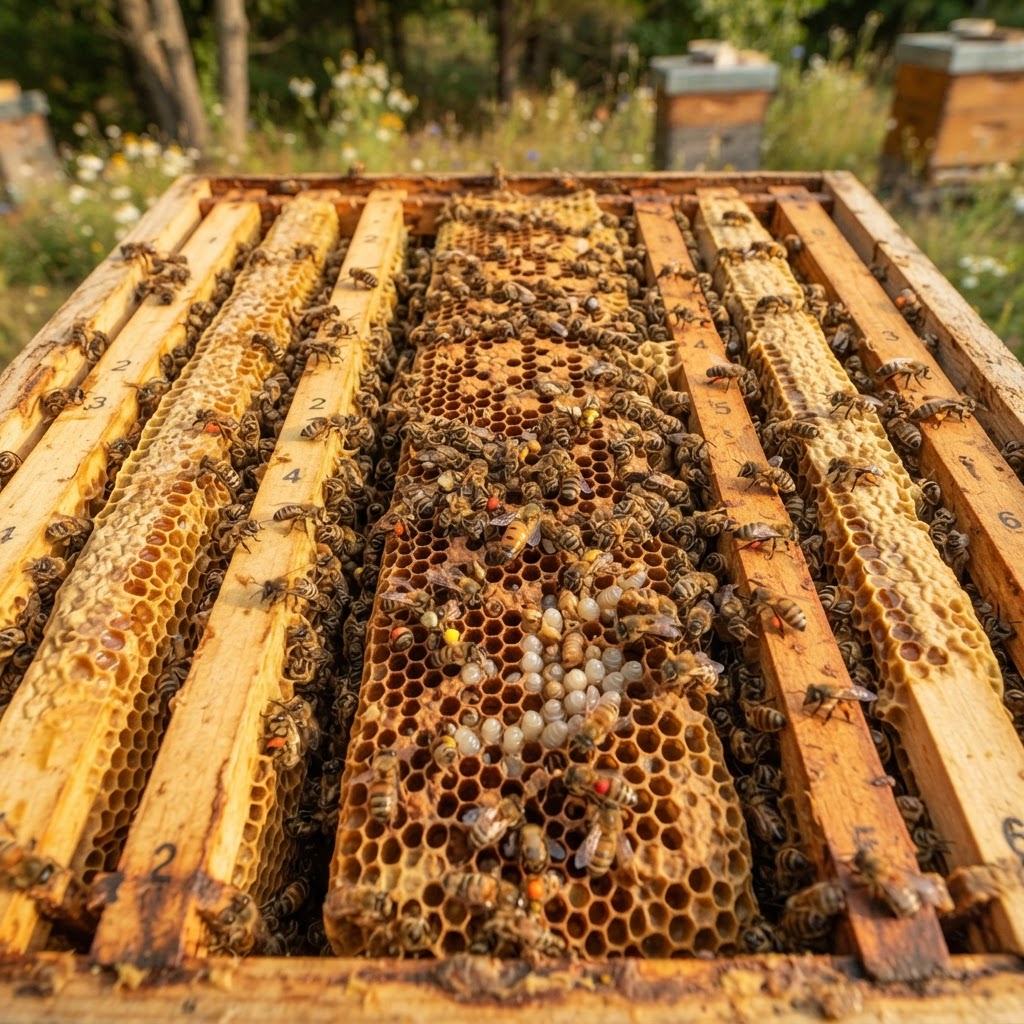
Then, an army of bees lines up at the hive entrance and fans their wings, creating a powerful airflow that evaporates water from the nectar. On a hot Florida day, the hive hums with the sound of thousands of fanning bees.
Step 4: Capping the Honey
Once the moisture content drops below 18%, the honey is ready. Worker bees seal the cell with a thin layer of beeswax — a process called "capping." The capped honey can remain fresh for years, even centuries. Archaeologists have found pots of honey in ancient Egyptian tombs that were still perfectly edible after 3,000 years.
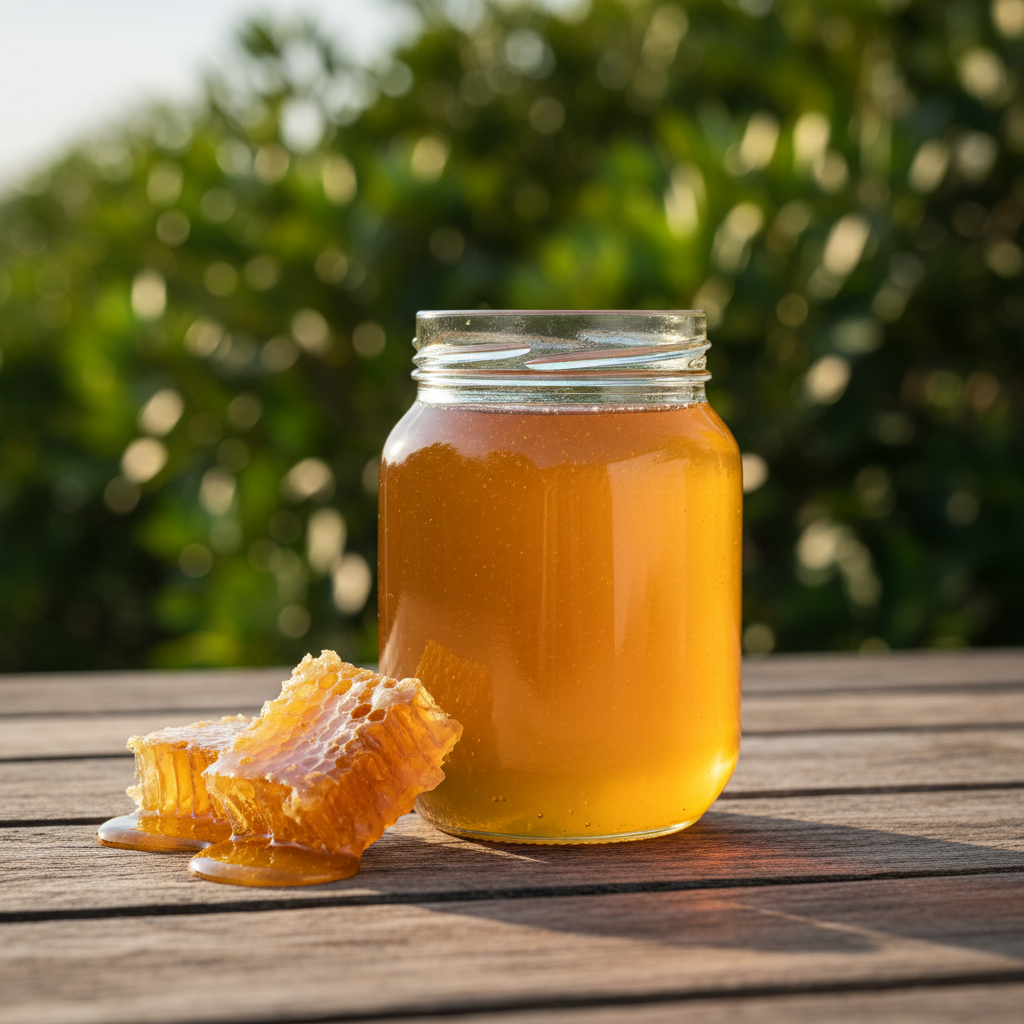
This is the honey we harvest — pure, raw, and unfiltered. We never heat it (which would destroy the enzymes) or filter it (which would remove the pollen). Shop our raw honey
The Numbers: Why Honey Is So Precious
The statistics of honey production are staggering:
- A single worker bee produces about 1/12 teaspoon of honey in her lifetime
- Bees must visit approximately 2 million flowers to make one pound of honey
- The collective flight distance to make one pound of honey is about 55,000 miles — more than twice around the Earth
- A pound of honey represents the life's work of approximately 768 bees
When you buy a 1-pound jar of our Black Mangrove honey for $22, you're purchasing the life's work of nearly 800 bees who collectively flew 55,000 miles. That's about 3 cents per mile of bee flight.
What Makes Black Mangrove Honey Special
Not all honey is created equal. The flavor, color, and aroma of honey depend entirely on the flowers the bees visit. Our bees forage primarily on Black Mangrove (Avicennia germinans), a coastal tree that blooms along Florida's Gulf Coast.
Black Mangrove honey has a distinctive profile:
- Color: Light amber to golden
- Flavor notes: Caramel, vanilla, butterscotch, flan
- Texture: Smooth and creamy when crystallized
- Aroma: Warm and floral with a coastal sweetness
The mangrove's unique coastal environment — salt tolerance, tidal influence, and tropical sun — imparts flavor compounds found in no other honey. It's one of the rarest honey varieties in the United States, as Black Mangroves grow only along the southern Atlantic and Gulf coasts.
Learn about the coastal ecosystem that produces our honey
Raw vs. Processed Honey
Most commercial honey is heated (pasteurized) and ultra-filtered. This extends shelf life and prevents crystallization, but it also:
- Destroys natural enzymes
- Removes beneficial pollen
- Eliminates antioxidants
- Reduces antibacterial properties
Our raw, unfiltered honey retains all the natural goodness the bees put into it. The enzymes are active, the pollen is present, and the flavor is pure coastal Florida.
Every Drop Is a Story
The next time you open a jar of our Black Mangrove honey, take a moment to appreciate the journey. Nectar collected from coastal mangrove flowers, transformed by bee enzymes, dehydrated by fanning wings, and sealed in golden comb — this is not just a sweetener. It's the product of one of nature's most remarkable collaborations.
Related Articles
Taste the Difference
Every jar of our raw Black Mangrove honey is the result of 50,000 bees working together. Experience the taste of Apollo Beach's coastal ecosystem.
Shop Raw Honey