Worker Bees: Nature's Ultimate Workaholics
Worker Bees: Nature's Ultimate Workaholics
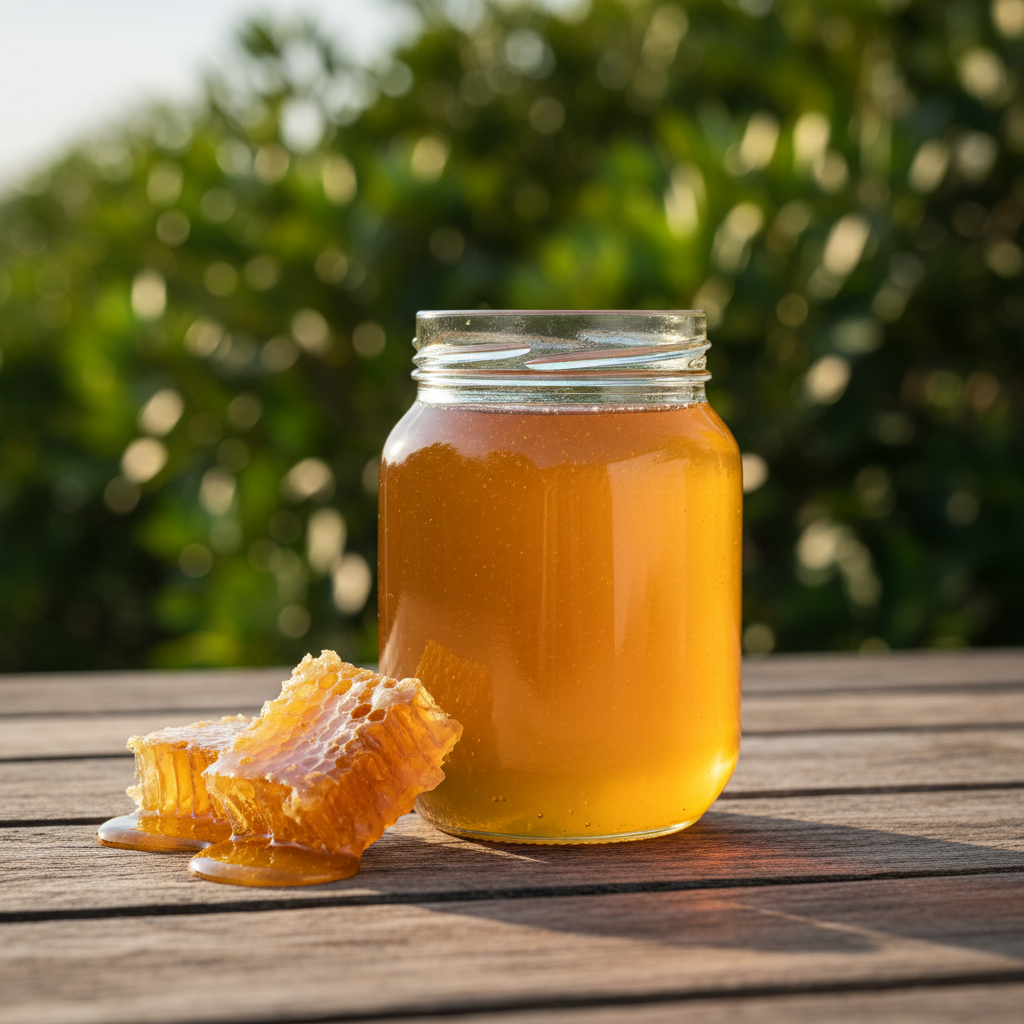
Inside every beehive, an invisible workforce of thousands of female bees keeps the entire colony running. These are the worker bees — and they are, without exaggeration, the hardest-working creatures on Earth. Every jar of raw Black Mangrove honey from our Apollo Beach apiary is the product of their tireless labor.
What Is a Worker Bee?
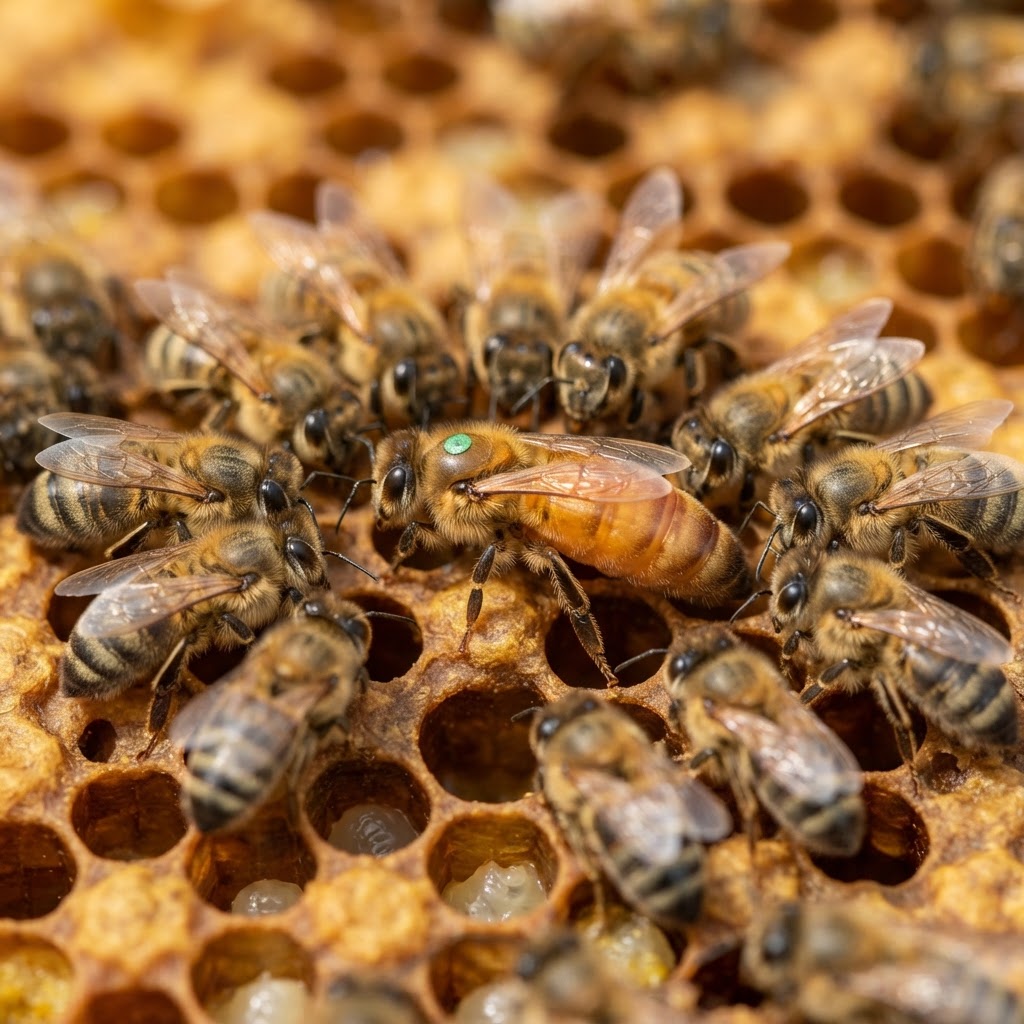
Worker bees are all female, and they make up over 95% of the hive's population. In a healthy colony of 50,000 bees, roughly 47,500 are workers. They are smaller than the queen and drones, but what they lack in size, they make up for in numbers and dedication.
Unlike the queen, who lives for years, a worker bee born in summer lives just 6 to 8 weeks. She literally works herself to death. In that brief life, she will produce approximately 1/12 of a teaspoon of honey.
Let that sink in. The jar of honey in your pantry represents the life's work of hundreds — perhaps thousands — of individual bees.
The Worker Bee's Career Path
A worker bee's life follows a remarkable, age-based progression called "age polyethism." As she ages, her job changes:
Phase 1: Cell Cleaner (Days 1-3)
Newly emerged from her cell, a worker's first job is cleaning. She polishes the cell she was born in and prepares it for the next egg. Cleanliness is critical — the queen won't lay an egg in a cell that isn't spotless.
Phase 2: Nurse Bee (Days 4-12)
The young worker tends to the brood — the developing larvae. She feeds them a mixture of honey, pollen, and royal jelly. A single larva may be visited up to 1,300 times per day by nurse bees. The worker also tends to the queen, feeding and grooming her.
Phase 3: Comb Builder & Processor (Days 12-18)
The worker's wax glands mature, and she begins building and repairing honeycomb. She also receives nectar from returning foragers, processing it through regurgitation and evaporation to turn it into honey. This is also when she guards the hive entrance and fans air through the hive to regulate temperature and evaporate moisture from the honey.
Phase 4: Guard Bee (Days 18-21)
The worker takes a turn at the hive entrance, inspecting every bee that tries to enter. She can identify intruders — wasps, robbers from other hives, even bees from her own hive that smell wrong — by their scent. Guard bees will fight to the death to protect the colony.
Phase 5: Forager (Days 21 until death)
In the final phase of her life, the worker becomes a forager. She flies out into the Apollo Beach sunshine to collect four essential resources:
- Nectar — the sugary liquid from flowers that becomes honey
- Pollen — protein-rich dust that feeds the brood
- Water — used for temperature control and diluting food
- Propolis — tree sap used as "bee glue" to seal the hive
A forager may fly up to 5 miles from the hive, visiting hundreds of flowers per trip. She navigates using the sun, landmarks, and an internal odometer. Learn how bees find their way home
When she finds a rich nectar source — like a bloom of Black Mangrove flowers along the Tampa Bay coast — she returns to the hive and performs the famous waggle dance to tell other foragers where to go. Discover the waggle dance
The Flexibility of Worker Bees
The age-based career path isn't rigid. If the hive loses foragers (perhaps to pesticides or a storm), nurse bees will skip ahead and start foraging early. If there are too many foragers and not enough nurses, foragers can regress and return to nursing. The colony constantly rebalances its workforce based on real-time needs.
The Ultimate Sacrifice
A forager bee's wings gradually wear out from the friction of flight. After approximately 500 miles of flying, her wings become tattered and she can no longer fly. She lands outside the hive one last time and dies. She will never return to the colony she served her entire life.
This is why beekeepers say that honey is the product of sacrifice. Every drop represents a bee's entire life's work.
Worker Bees and Your Raw Honey
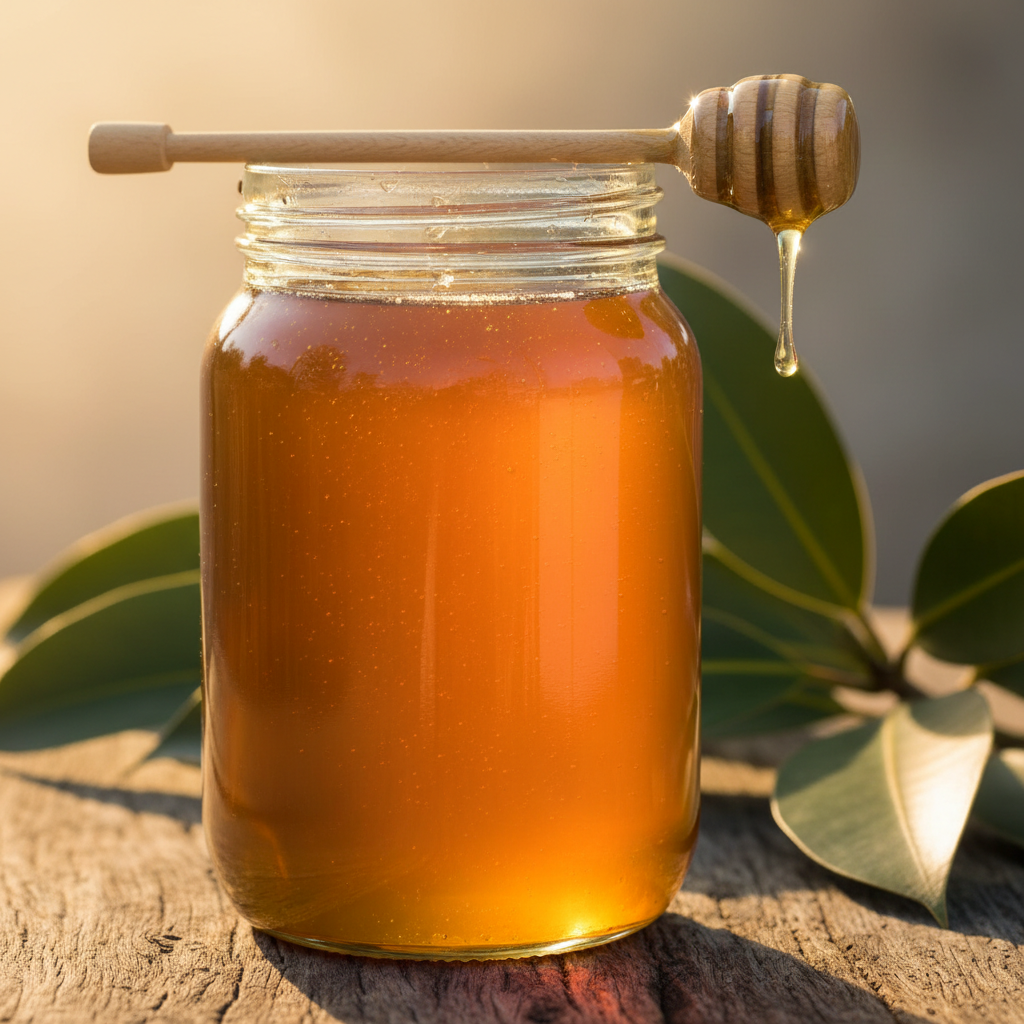
When you taste our raw, unfiltered Black Mangrove honey, you're tasting the labor of thousands of worker bees who flew among the mangroves of Apollo Beach, collected nectar from coastal flowers, and processed it through their bodies into the golden honey we harvest.
We never heat or pasteurize our honey, because that would destroy the natural enzymes the worker bees added during processing — the same enzymes that give raw honey its health benefits.
Learn how bees turn nectar into honey
The Unsung Heroes
The queen may get the glory, but the workers run the show. They build the comb, raise the young, feed the queen, guard the hive, regulate the temperature, and collect every drop of nectar. Without worker bees, there would be no hive, no honey, and — alarmingly — very little food on our plates.
Related Articles
Taste the Difference
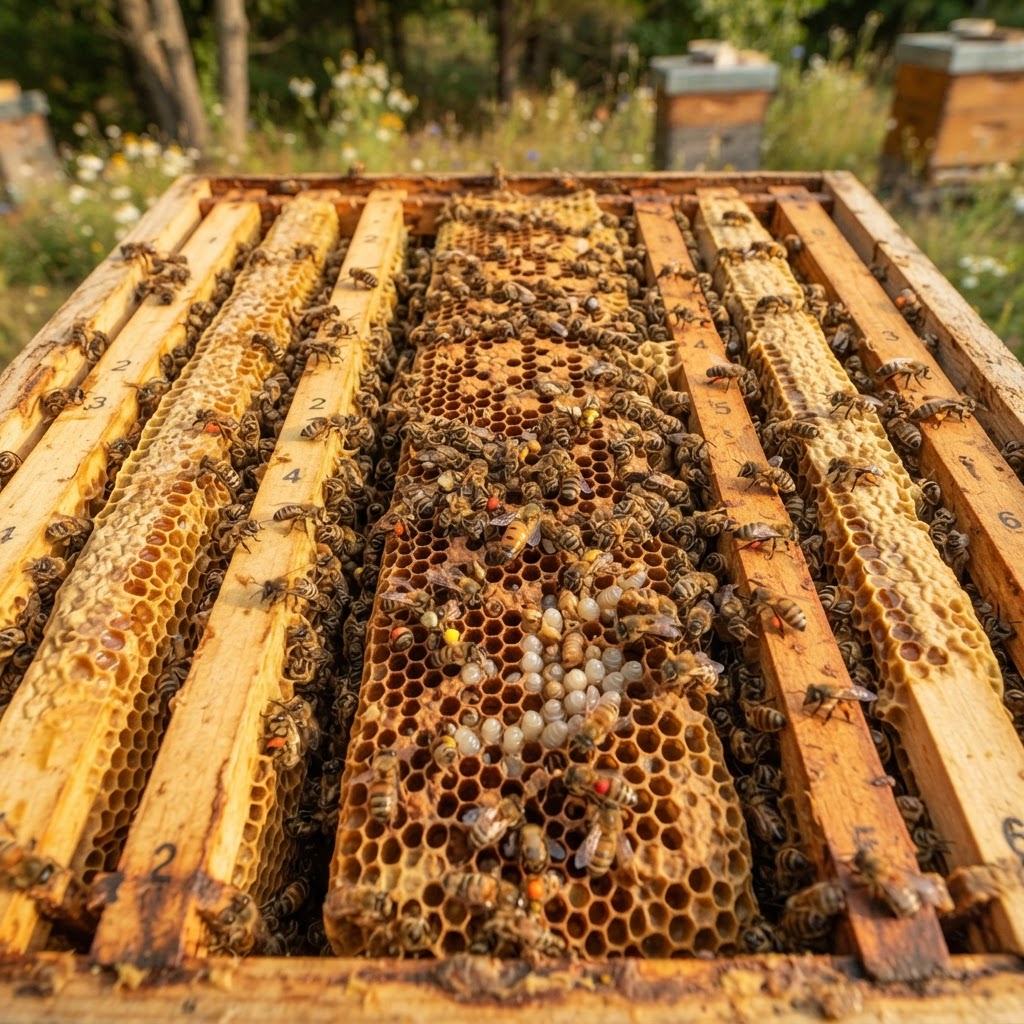
Every jar of our raw Black Mangrove honey is the result of 50,000 bees working together. Experience the taste of Apollo Beach's coastal ecosystem.
Shop Raw Honey