Why Bees Matter: One in Three Bites of Food
Why Bees Matter: One in Three Bites of Food
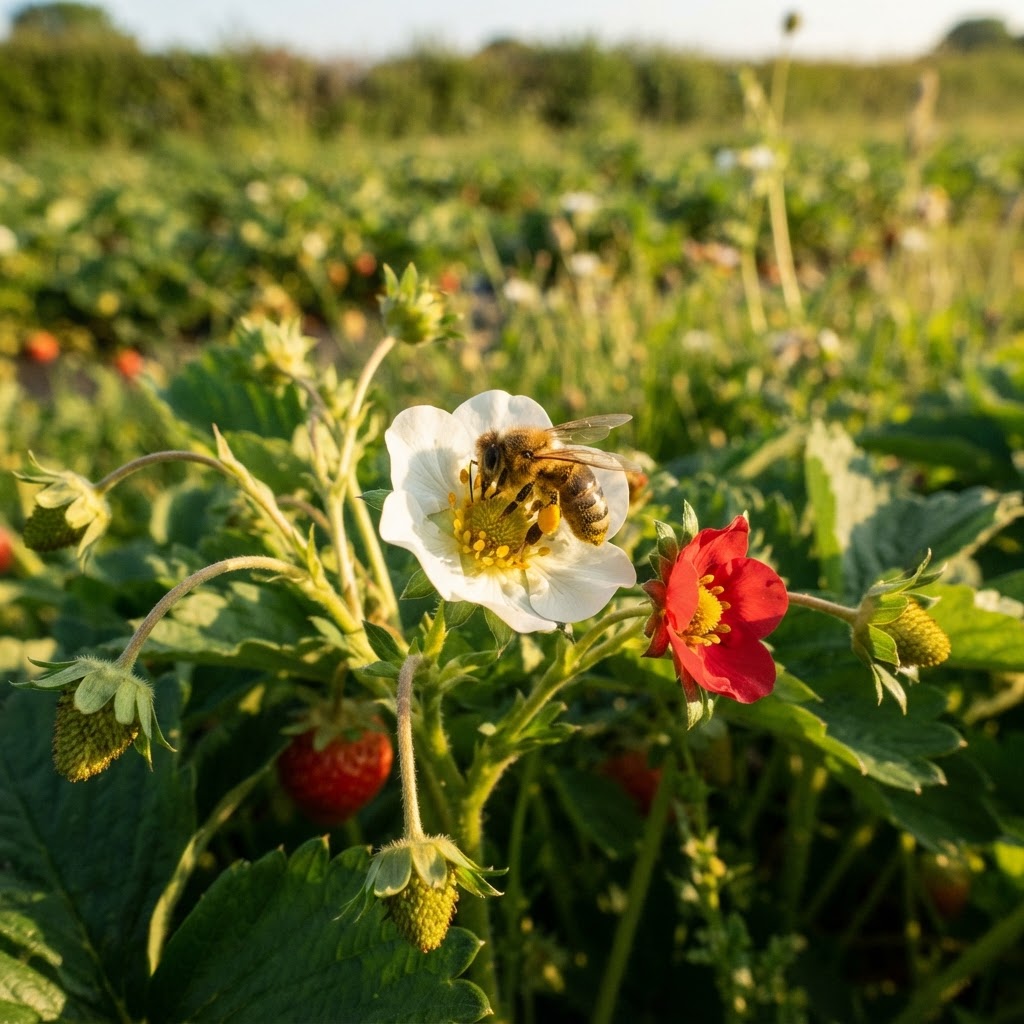
If honeybees disappeared tomorrow, the impact on your dinner plate would be immediate and devastating. One out of every three bites of food you eat exists because a bee pollinated the plant that produced it. From the almonds in your granola to the apples in your pie, from the coffee in your morning cup to the chocolate in your dessert — bees are the invisible workforce that feeds the world.
At Tom's Coastal Honeybees, our rescued colonies do more than produce raw Black Mangrove honey. They pollinate the flowers, vegetables, and fruits of Apollo Beach and the surrounding Tampa Bay communities. Understanding the critical role bees play in our food system is the first step toward protecting them.
The Pollination Crisis
Honeybees are the world's most important pollinators of agricultural crops. In the United States alone, honeybee pollination is responsible for:
- $15 billion in added crop value annually
- 90+ commercial crops including almonds, apples, berries, melons, and more
- 1/3 of the human diet by bite count
Without bees, many of these crops would produce significantly less food — or fail entirely. Some crops, like almonds, are 100% dependent on bee pollination. No bees, no almonds. It's that simple.
What Is Pollination?
Pollination is the transfer of pollen from the male part of a flower (the stamen) to the female part (the pistil). This transfer must occur for the plant to produce seeds and fruit.
While wind pollinates some crops (corn, wheat, rice), the vast majority of fruits, vegetables, and nuts require insect pollination. And honeybees are the most effective insect pollinators for several reasons:
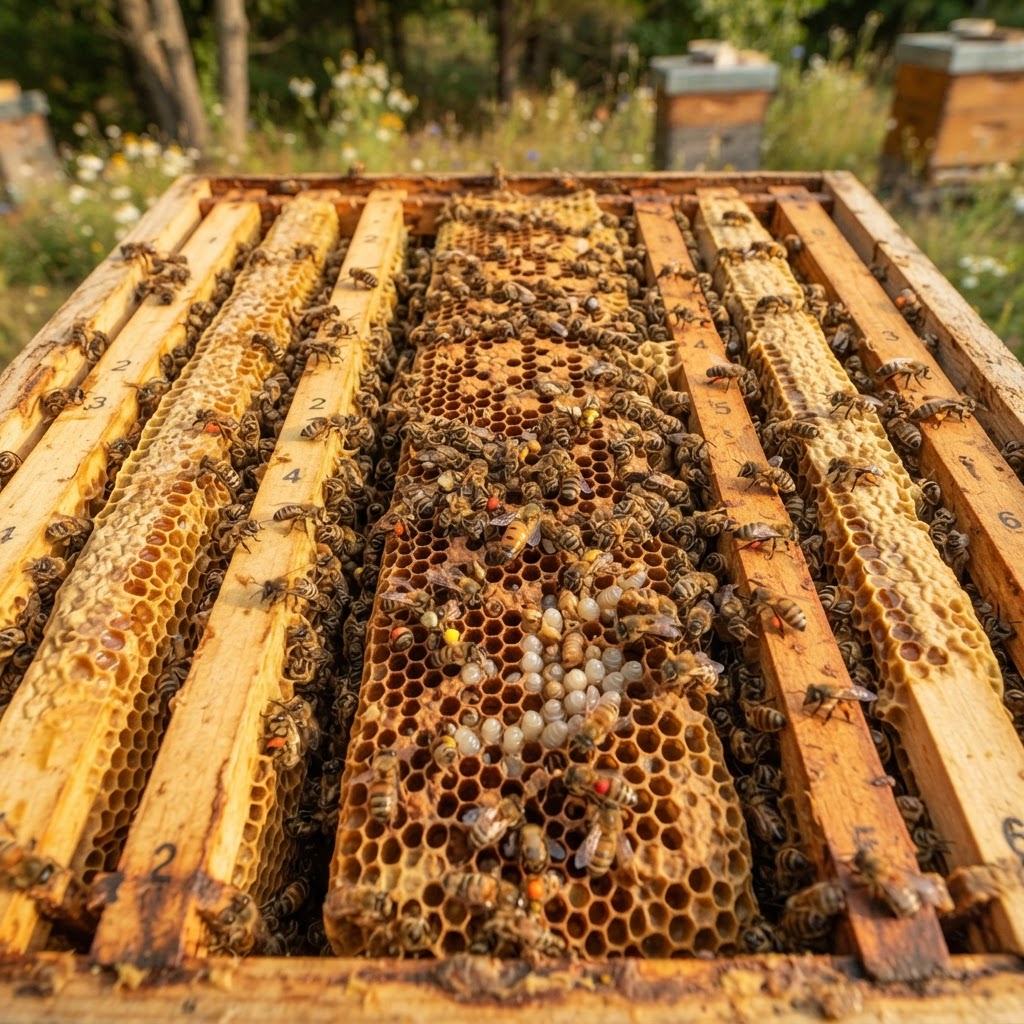
- Large populations: A single hive can have 50,000+ bees, all foraging within a few miles of home
- Flower fidelity: Bees tend to work one type of flower at a time, making them efficient pollinators for specific crops
- Communication: The waggle dance directs thousands of bees to the same crop simultaneously Learn about the waggle dance
- Manageable: Beekeepers can move hives to where they're needed, providing pollination services to farms nationwide
Foods That Depend on Bees
Here's just a partial list of foods that require or benefit significantly from honeybee pollination:
Fruits: Apples, oranges, lemons, limes, berries, cherries, peaches, pears, plums, avocados, mangoes, kiwi
Vegetables: Squash, zucchini, cucumbers, pumpkins, asparagus, broccoli, Brussels sprouts, onions, carrots
Nuts & Seeds: Almonds, cashews, sunflower seeds, sesame seeds
Beverages: Coffee, tea (indirectly), fruit juices
Other: Chocolate (cacao), vanilla, canola oil, cotton (for clothing)
The Ripple Effect
The impact of bees extends far beyond the foods they directly pollinate. Bees also pollinate the plants that feed livestock — alfalfa, clover, and other forage crops. Without bees, the meat and dairy industries would suffer.
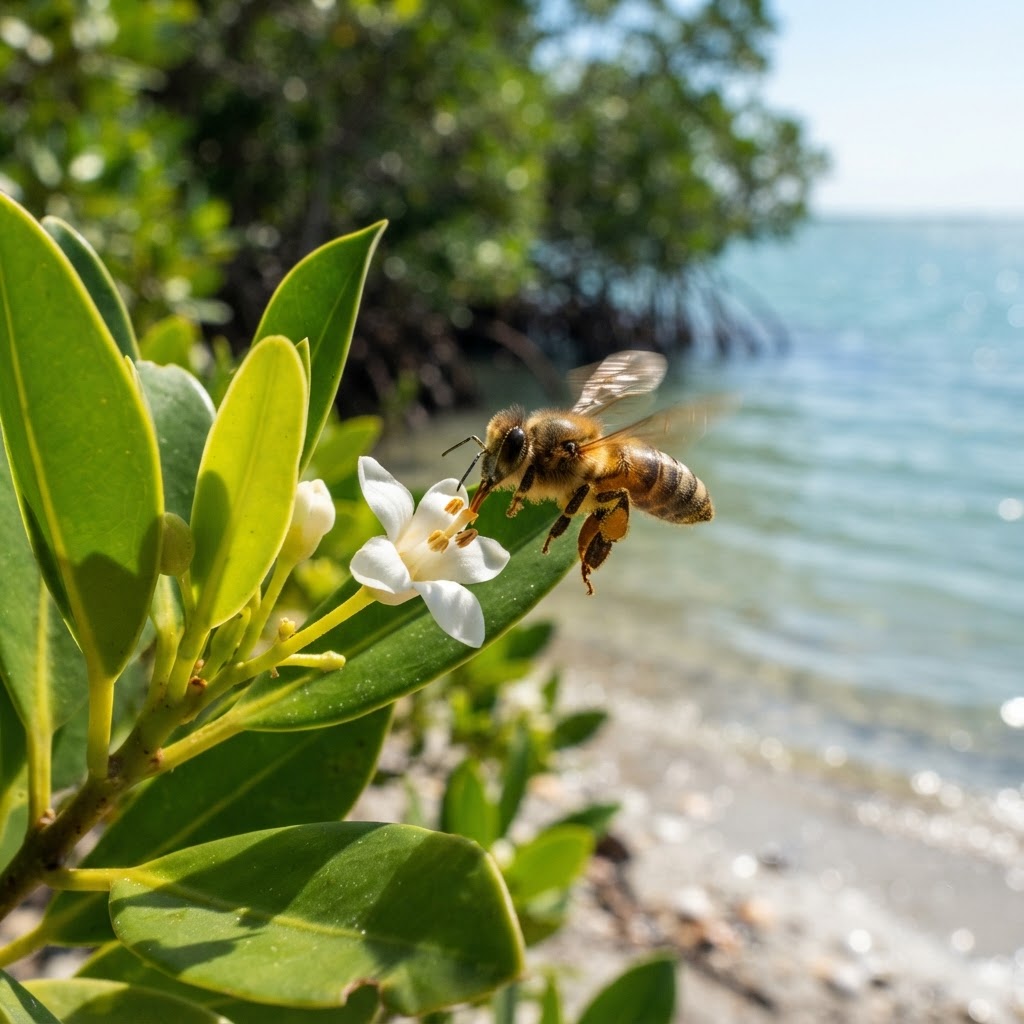
Bees also sustain wild plant communities. In our coastal area, bees pollinate mangroves, sea grapes, and native wildflowers that prevent erosion, provide habitat, and protect shorelines. Read about coastal bees and mangroves
The Threats Bees Face
Despite their importance, honeybee populations face unprecedented challenges:
Pesticides
Neonicotinoids and other pesticides can impair bee navigation, weaken immune systems, and cause colony collapse. Even sub-lethal doses can prevent bees from finding their way home. Learn about bee navigation
Habitat Loss
As natural areas are developed, bees lose the diverse foraging grounds they need. Monoculture farming (growing one crop over large areas) provides food for only a few weeks per year, leaving bees hungry the rest of the time.
Climate Change
Shifting temperatures and rainfall patterns disrupt the timing of flower blooms, creating "phenological mismatches" where bees emerge but find no nectar. Extreme weather events can destroy colonies.
Parasites and Disease
The Varroa destructor mite is the single biggest threat to honeybee health. This parasitic mite feeds on bee pupae and adults, weakening colonies and spreading viruses.
Stress
Commercial bees are transported thousands of miles each year for pollination services, subjecting them to stress that weakens their immune systems.
What We Can Do
Protecting bees requires action at every level:
Plant Bee-Friendly Flowers
Choose native Florida flowers that bloom at different times of year, providing continuous nectar sources. Avoid double-flowered varieties (which often lack nectar) and never use neonicotinoid pesticides.
Support Local Beekeepers
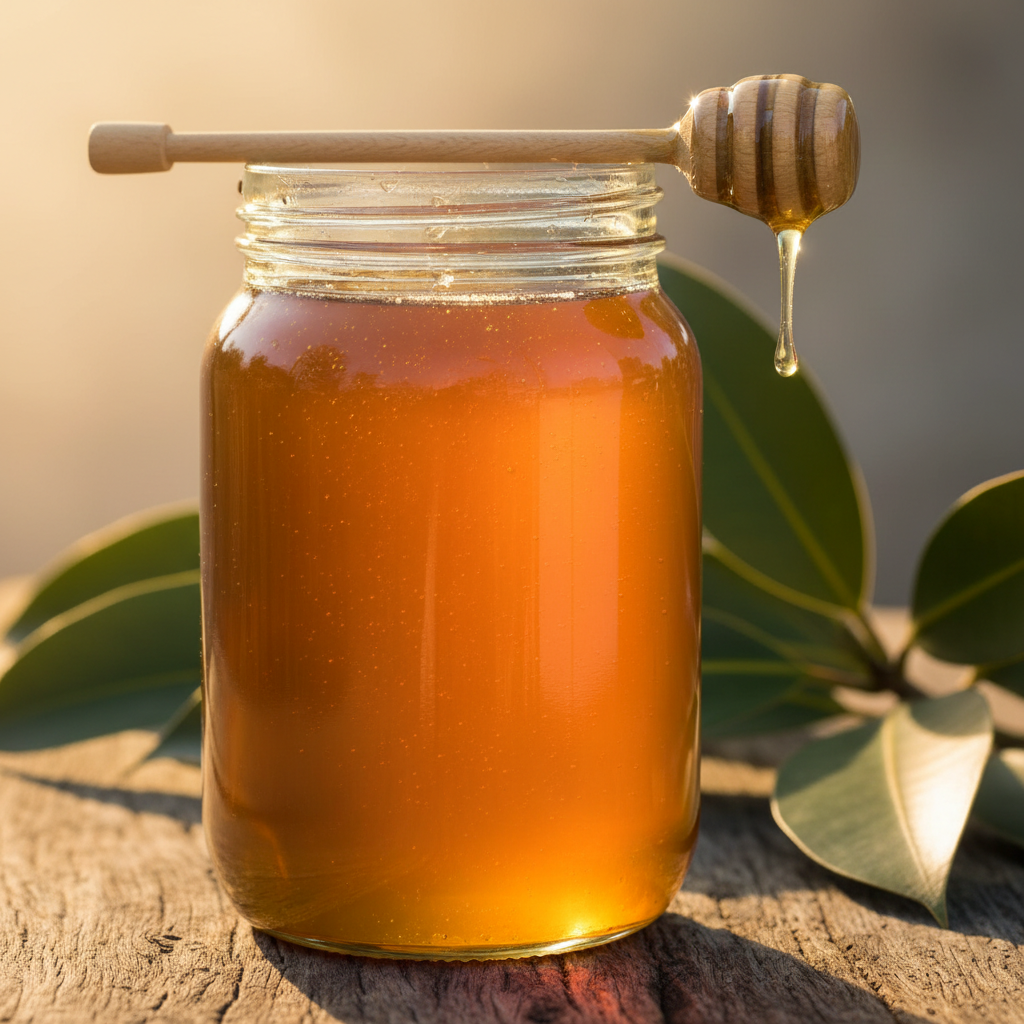
Buying local, raw honey supports beekeepers who maintain hives in your community. Every jar of our Black Mangrove honey helps fund our rescue operations and hive maintenance. Shop local honey
Protect Natural Areas
Support conservation efforts that preserve coastal mangroves, wildflower meadows, and other natural habitats. Learn about our coastal ecosystem
Spread Awareness
Share what you've learned about bees with others. The more people understand the importance of pollinators, the more we can do together.
Every Bite Matters
The next time you bite into an apple, sprinkle almonds on your oatmeal, or enjoy a cup of coffee, take a moment to thank a bee. These tiny insects, working tirelessly in hives across the country, make our food system possible.
And when you taste our raw Black Mangrove honey, you're not just enjoying a delicious natural sweetener — you're supporting the pollinators that feed the world.
Related Articles
Taste the Difference
Every jar of our raw Black Mangrove honey is the result of 50,000 bees working together. Experience the taste of Apollo Beach's coastal ecosystem.
Shop Raw Honey