Drone Bees: The Gentlemen of the Hive
Drone Bees: The Gentlemen of the Hive
In the bustling society of a honeybee hive, most bees are frantic with activity — workers rushing in and out, the queen laying eggs, nurse bees tending larvae. But there's one group that seems to do nothing at all: the drone bees. These stout, eye-catching males have a reputation as layabouts, but their role in the colony's survival is far more important than it appears.
What Is a Drone Bee?
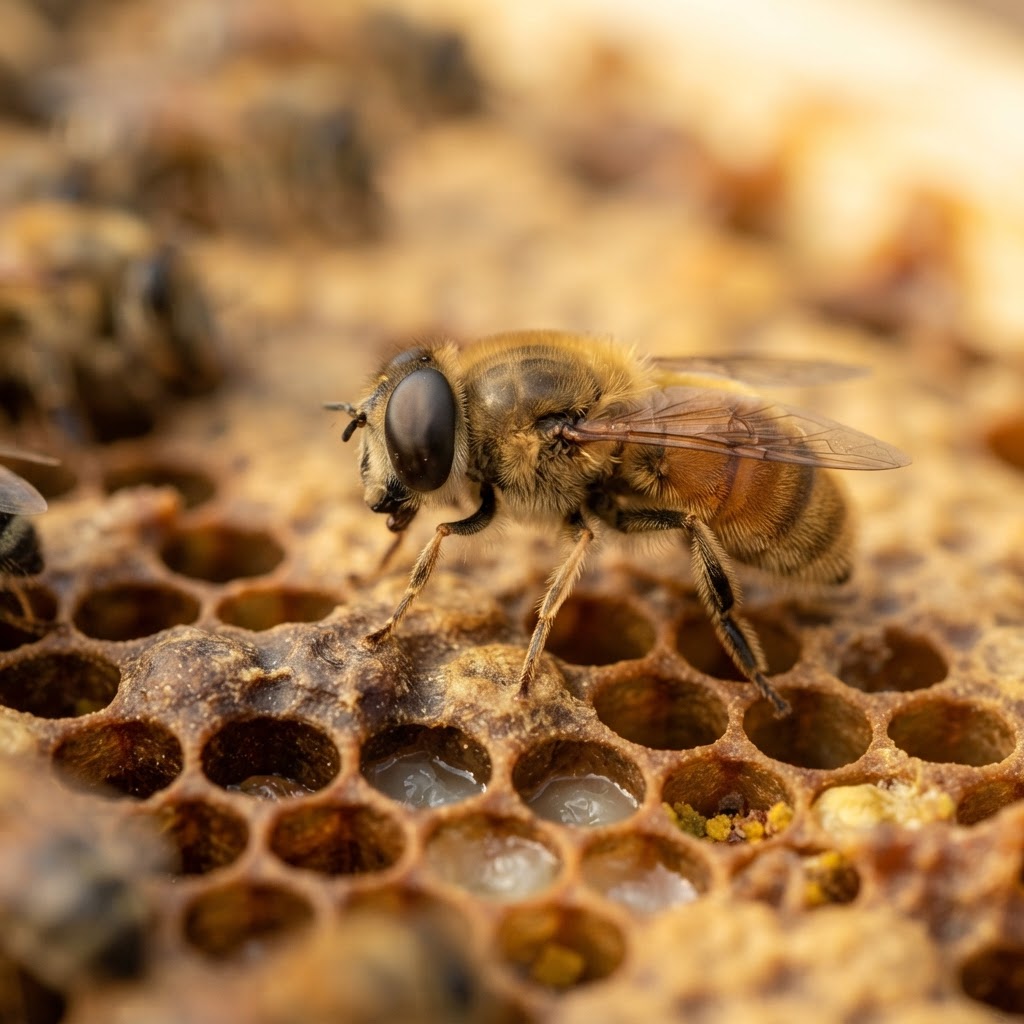
Drones are the male bees of the colony. They're easy to identify: larger and broader than worker bees, with massive eyes that meet at the top of their heads. These big eyes aren't just for show — they're essential for spotting a queen in flight during mating.
Unlike worker bees, drones have no stinger. They can't defend the hive, can't collect nectar, can't build comb, and can't even feed themselves. They rely entirely on worker bees to feed them.
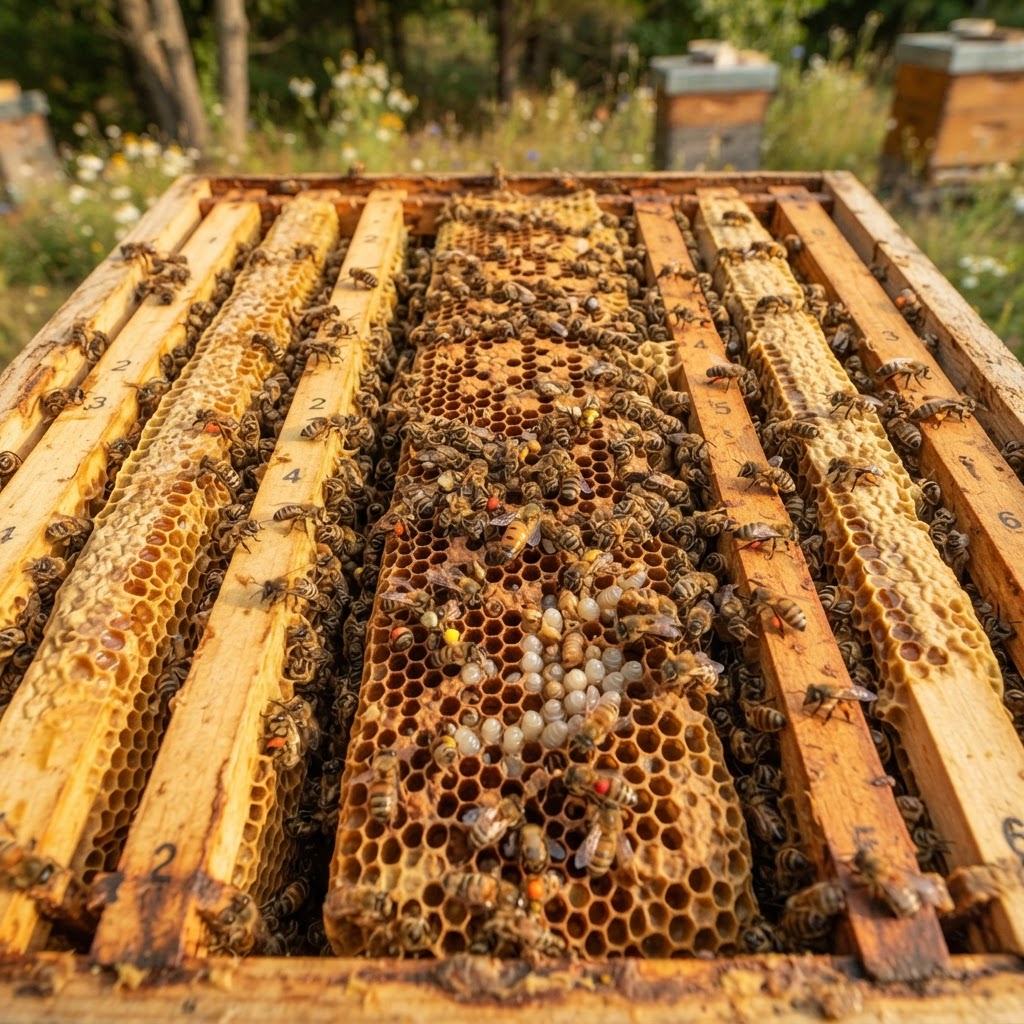
A typical hive contains a few hundred to a few thousand drones during the spring and summer — usually about 5-10% of the colony's population.
The Drone's Single Purpose
A drone bee has one job in life: to mate with a virgin queen from another colony. That's it. Everything about his body is optimized for this single task.
Drones don't mate with their own queen. Instead, they fly to specific areas called "drone congregation areas" — gathering spots in the air where drones from many different colonies collect. These areas are typically 10-40 feet above the ground and can contain thousands of drones from miles around.
When a virgin queen takes her nuptial flight, she flies to the congregation area. The drones detect her pheromones and give chase. The fastest drones catch her and mate in mid-air — a dramatic event that takes just seconds.
The Ultimate Sacrifice
Here's where the drone's story takes a dramatic turn. When a drone mates with a queen, the act is fatal. His reproductive organs are ripped from his body as he pulls away, and he falls to the ground, dead.
He has fulfilled his purpose. His genetics will live on in the new queen's offspring — potentially tens of thousands of bees in a colony he'll never see.
A queen typically mates with 10-20 drones on her nuptial flight, storing all their sperm in her spermatheca. She'll use this genetic diversity to produce a stronger, more resilient colony. Learn more about the queen bee
What Happens to Drones That Don't Mate?
Most drones never mate. A congregation area might have thousands of drones, but only a handful will catch the queen. The unsuccessful drones fly back to their hive and... continue doing nothing.
They eat. They rest. They fly out to congregation areas again. They wait.
During the summer, workers tolerate the drones. Their presence is insurance — if a new queen needs to mate, the colony needs drones ready to go. The genetic diversity they provide is worth the food they consume.
The End of the Line: Autumn Eviction
When autumn arrives and nectar flows slow down, the colony's attitude toward drones changes dramatically. Honey stores must last through winter, and drones consume resources without contributing to hive maintenance or winter survival.
What happens next is one of nature's most brutal but practical behaviors. Worker bees systematically drag drones out of the hive. They bite their wings, push them through the entrance, and block them from re-entering. Unable to feed themselves, the evicted drones die within hours.
It's harsh, but it's survival. A hive that keeps drones through winter risks starving. The colony will raise new drones in spring when resources are plentiful again.
Drones and Beekeeping
For beekeepers like us at Tom's Coastal Honeybees, drones serve another purpose: they're an indicator of colony health. A hive with a good number of drones in spring suggests a strong, well-fed colony with a productive queen. Too many drones, however, might indicate an older queen whose egg-laying is becoming less precise.
Some beekeepers even use "drone trapping" — placing frames with large-cell comb that encourages drone production — as part of their varroa mite management strategy. Varroa mites prefer to reproduce in drone cells (which have a longer development period), so trapping and removing drone comb can reduce mite populations naturally.
The Unsung Heroes of Genetic Diversity
Drones may seem like freeloaders, but they're the carriers of genetic diversity. By mating with queens from other colonies, they prevent inbreeding and ensure that bee populations remain healthy and adaptable.
In the Apollo Beach area, our rescued bees benefit from this genetic mixing. Drones from our hives may mate with queens from feral colonies or other beekeepers' hives, strengthening the local bee population's resistance to disease and environmental stress.
A Life of Purpose, However Brief
A drone's life may seem simple — even pointless — from a human perspective. But in the grand design of the hive, he plays a crucial role. He carries the genetic code that will shape future generations of bees. Without drones, queens couldn't reproduce, colonies couldn't continue, and there would be no honey, no pollination, no food.
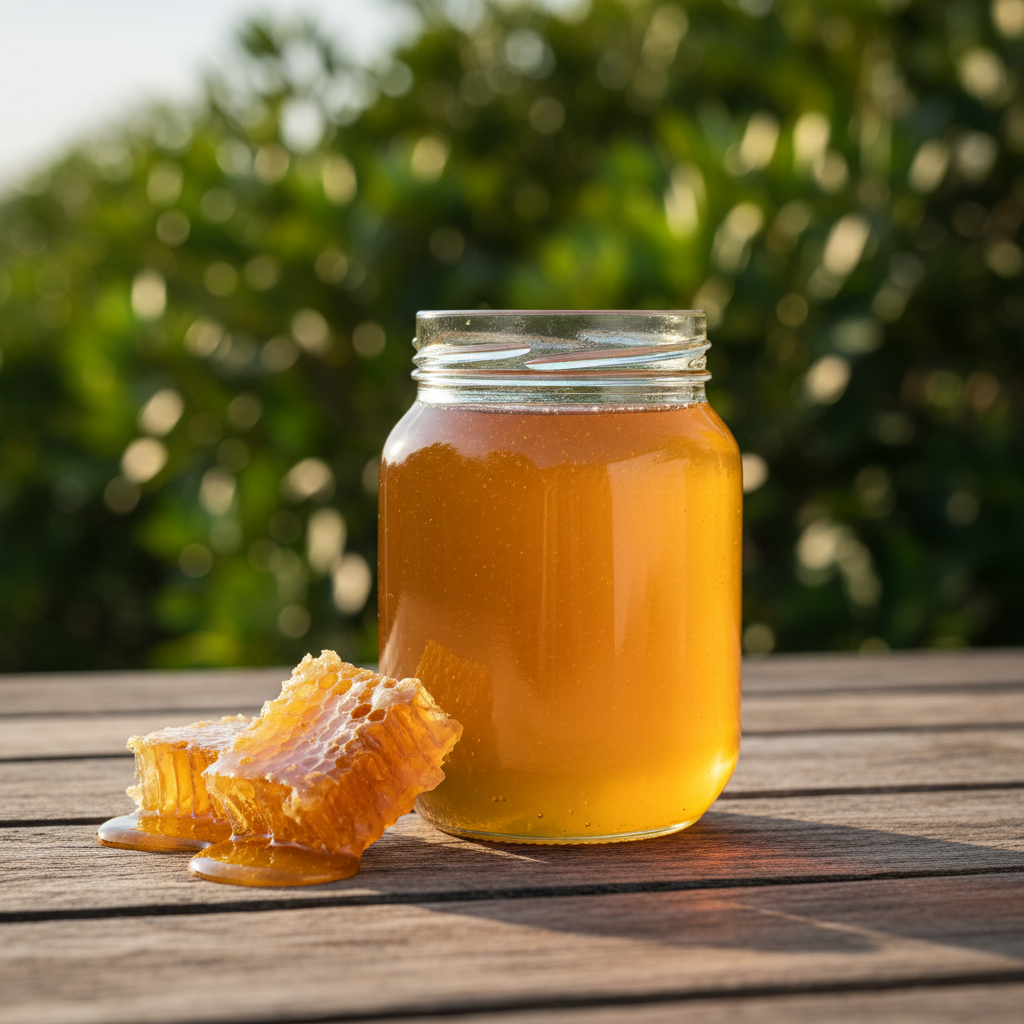
The next time you enjoy our raw Black Mangrove honey, remember that somewhere in the history of that hive, a drone gave his life to ensure the colony's future.
Related Articles
Taste the Difference
Every jar of our raw Black Mangrove honey is the result of 50,000 bees working together. Experience the taste of Apollo Beach's coastal ecosystem.
Shop Raw Honey