Hive Temperature Control: Bees as Master Engineers
Hive Temperature Control: Bees as Master Engineers
Inside a beehive, the temperature is maintained with a precision that would impress any HVAC engineer. Despite Florida's sweltering summers and occasional winter cold snaps, bees keep their hive between 93°F and 95°F year-round. They achieve this not with thermostats or fans, but with coordinated behavior involving thousands of individual bees acting as a single climate-control system.
At Tom's Coastal Honeybees in Apollo Beach, understanding hive thermoregulation helps us appreciate the sophistication of our rescued colonies — and explains why our raw honey maintains its quality throughout the seasons.
Why Temperature Matters
The brood — the developing bee larvae and pupae — is the most temperature-sensitive part of the hive. Brood must be kept between 93°F and 95°F (34-35°C) for proper development:
- Too cold (below 90°F): Larvae develop slowly or die. The colony can't produce new bees.
- Too hot (above 97°F): Larvae develop deformities or die. Wax comb can soften and melt.
- Just right (93-95°F): Larvae develop normally, emerging as healthy adult bees.
But temperature control isn't just about the brood. Honey storage also requires careful moisture and temperature management. If the hive is too humid, honey can ferment. If it's too hot, wax can melt and honey can drip out of the cells.
Cooling the Hive: Florida's Challenge
In Apollo Beach, summer temperatures regularly exceed 90°F with high humidity. A hive full of bees generates significant additional heat — a large colony produces as much heat as a 40-watt light bulb. Without active cooling, the hive would quickly reach lethal temperatures.
Bees use several strategies to cool the hive:
Fanning
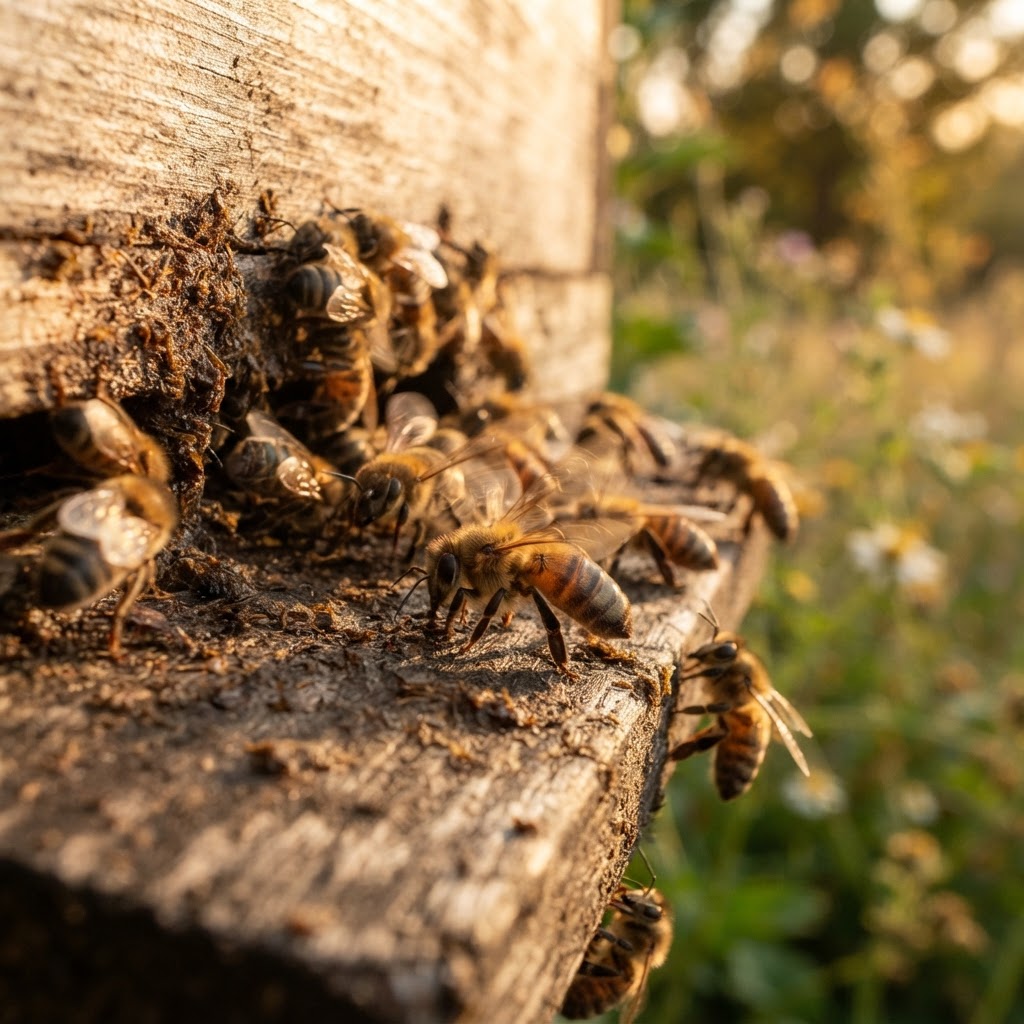
Bees line up at the hive entrance and inside the hive, facing the same direction, and fan their wings. This creates a powerful airflow that draws hot, humid air out of the hive and brings in cooler outside air. Hundreds of bees fanning together can move a remarkable volume of air.
Evaporative Cooling
Some bees collect water and spread it as a thin film inside the hive. As other bees fan, the water evaporates, absorbing heat — the same principle behind swamp coolers and human sweating. This is particularly effective in dry conditions, but even in humid Florida, evaporative cooling provides some relief.
Spreading Out (Bearding)
On very hot days, bees may leave the hive and cluster on the outside front of the hive body — a behavior called "bearding." This reduces the number of heat-generating bees inside the hive and creates better airflow. If you see a beard of bees hanging on the front of a hive on a summer afternoon, don't panic — they're just cooling off.
Spreading Water on Comb
In extreme heat, bees may place small droplets of water directly on the comb. As the water evaporates, it cools the wax and the air around it.
Warming the Hive: Florida's Mild Winters
While Florida winters are mild compared to the north, temperatures can still drop into the 40s and 50s. When the weather cools, bees switch from cooling to heating:
Clustering
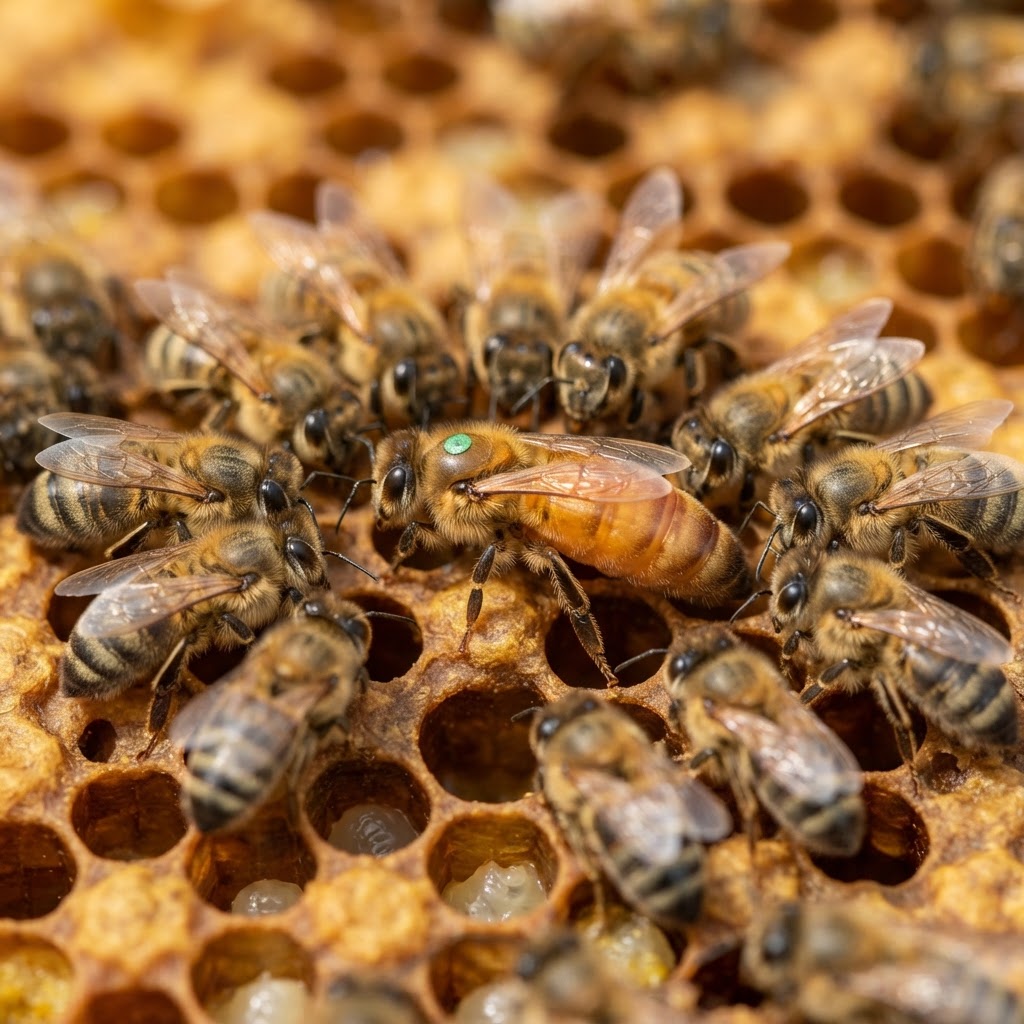
Bees form a tight cluster in the center of the hive, with the queen at the core. The bees on the outside of the cluster insulate those inside. Bees take turns — outer bees move inward to warm up, and inner bees move outward to take their turn on the cold surface.
Shivering
Bees generate heat by vibrating their flight muscles without moving their wings — essentially shivering. A single bee can raise her body temperature to 113°F (45°C) through muscle vibration. Thousands of bees shivering together can maintain the cluster's core temperature even when it's freezing outside.
Sealing Cracks
Bees collect propolis (tree sap and resin) and use it to seal cracks and gaps in the hive. This "bee glue" eliminates drafts and helps the cluster retain heat. Some research suggests that propolis also has antimicrobial properties, keeping the hive healthy through winter.
The Thermostat: How Bees Know When to Act
Bees don't have a central thermostat. Instead, individual bees respond to temperature changes based on their own sensory thresholds:
- When a bee senses that the temperature around her has dropped below her threshold, she moves toward the cluster center
- When she senses it's too warm, she moves away from the cluster and may start fanning
- Different bees have slightly different thresholds, creating a gradual, responsive system rather than an all-or-nothing response
This decentralized system is remarkably effective. The hive temperature rarely varies by more than 1-2 degrees from the target range.
The Role of Hive Design
As beekeepers, we help our bees with temperature management through hive design:
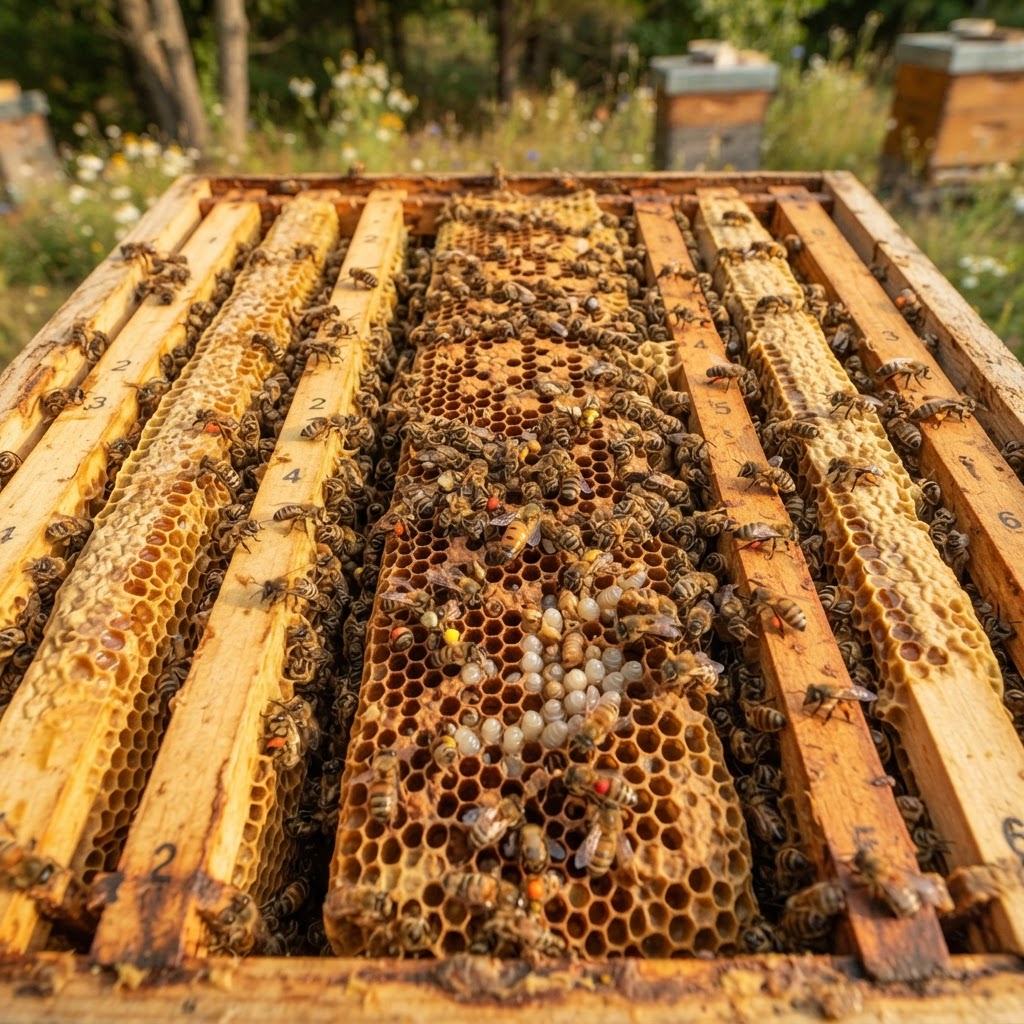
- Ventilation: We provide upper entrances that allow hot air to escape
- Shade: We place hives where they get morning sun but afternoon shade
- Insulation: In winter, we may add insulation to help the cluster retain heat
- Space management: We ensure the hive isn't too large (hard to heat) or too small (hard to cool)
Temperature and Honey Quality
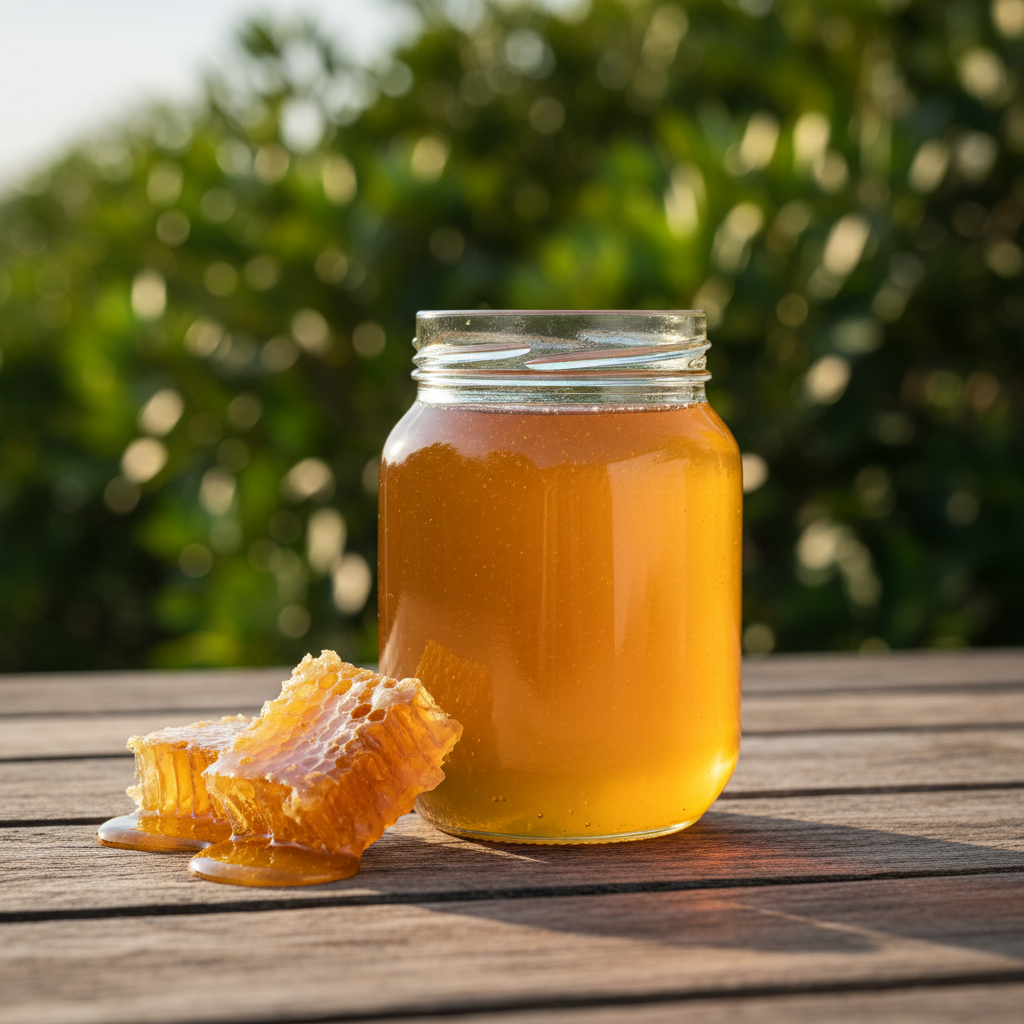
Temperature control affects honey quality directly. When bees fan to evaporate moisture from nectar, they're using their cooling system to make honey. The airflow that cools the hive also dries the nectar. And because we harvest honey at the right moisture content (below 18%), our raw Black Mangrove honey resists fermentation and maintains its flavor indefinitely.
Engineers Without Blueprints
Bees have no thermostats, no blueprints, no engineering degrees. Yet they maintain a temperature-controlled environment with a precision that rivals human technology. Every hive is a self-regulating system — a living air conditioner and heater powered by thousands of tiny, dedicated workers.
Related Articles
Taste the Difference
Every jar of our raw Black Mangrove honey is the result of 50,000 bees working together. Experience the taste of Apollo Beach's coastal ecosystem.
Shop Raw Honey